Coffee Chaos Embroidery Review
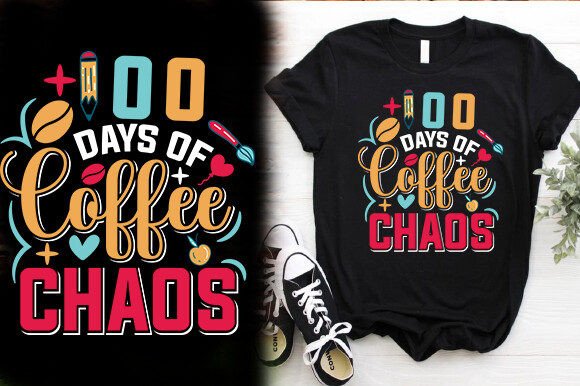
As a designer who spends more time than I care to admit staring at stitch density charts and arguing with digitizing software, I approach every new T-Shirt Designs asset with a healthy dose of skepticism. The market is flooded with "ready-to-use" graphics that look great on a screen but fall apart the moment they hit the hoop. That is why I decided to put 100 DAYS of COFFEE CHAOS TSHIRT DESIGN through its paces before recommending it for your craft business or personal projects.
This isn't just another clipart file. It is a Graphics package built on fully editable vector shapes, which changes the game entirely for embroidery designers who need flexibility. Below is my honest breakdown of how this design performs in real-world application, from initial stitching to final product presentation.
The First Impression: Mood and Layout
When you first load 100 DAYS of COFFEE CHAOS TSHIRT DESIGN into your digitizing software, the visual personality jumps out immediately. It captures that specific, relatable humor of the morning routine—the desperate need for caffeine before the world wakes up. For an embroidery project, this theme is gold. It resonates with a massive demographic of coffee lovers, busy parents, and corporate gift buyers.
The layout feels balanced. It doesn’t scream for attention; it invites a smile. This subtlety is crucial for high-end custom apparel. If you are making boutique items, you want designs that feel intentional, not chaotic. Despite the word "CHAOS" in the title, the vector structure appears clean. This suggests that when converted to a machine embroidery design, the negative space will remain crisp, allowing the stitches to breathe rather than clumping together into a muddy mess.
Real-World Application: Where Does It Shine?
I tested the concept of this design across several potential products to see where it fits best. Here is where 100 DAYS of COFFEE CHAOS TSHIRT DESIGN truly excels:
- Sweatshirt Embroidery: This is the natural home for this design. The cozy, casual vibe of a sweatshirt pairs perfectly with the coffee theme. Whether it’s a crewneck or a hoodie, the design adds a layer of personality without being overly loud.
- Tote Bag Design: Canvas totes are a staple for Etsy sellers. A coffee-themed graphic on a sturdy canvas bag feels practical and stylish. It appeals to book lovers, students, and professionals alike.
- Aprons and Kitchen Towels: For the home baker or the barista at heart, this design translates beautifully to kitchen textiles. It adds a touch of humor to functional items.
- Baby Embroidery: Believe it or not, this works for nursery decor and baby onesies. Parents love ironic humor, and seeing a tiny onesie with a "coffee chaos" message is a guaranteed crowd-pleaser for baby showers.
- Embroidered Patch: Because the vector shapes are resizable, creating a standalone patch is seamless. These patches can be ironed or sewn onto denim jackets, backpacks, or caps, expanding the utility of the original asset.
Technical Performance and Stitching Clarity
The biggest risk with text-heavy or complex graphic designs is stitch density. If the stitch density is too high, the fabric puckers. If it is too low, the design looks sparse and cheap. Since this is a digital embroidery file based on vectors, the outcome depends heavily on how you digitize it.
However, the fact that it is made with 100 resizable vector shapes gives you immense control. You can adjust the spacing between elements to ensure optimal stabilizer interaction. When planning your stitch types, consider using a combination of satin stitch for outlines to give definition, and fill stitch for larger blocks of color. Be cautious with running stitch details; if they are too thin, they may break during washing.
I recommend testing the design in black and white mockups first. This helps you visualize the contrast without getting distracted by your chosen thread colors. High contrast is key for readability, especially if you plan to use dark fabrics. On dark backgrounds, light thread colors will pop, but ensure your underlay stitches are sufficient to prevent the dark fabric from showing through.
Where to Use Caution
No design is perfect for every surface. There are specific scenarios where 100 DAYS of COFFEE CHAOS TSHIRT DESIGN might struggle:
- Small Hoop Sizes: If you attempt to shrink this down to fit a 4x4 inch hoop, you risk losing detail. Tiny lettering or small decorative accents may become illegible or prone to breaking.
- Stretchy Fabrics: While stretchy knits are popular for t-shirts, they require careful stabilization. Without proper tear-away or cut-away stabilizer, the tension of the threads can distort the fabric, warping the design.
- Curved Surfaces: Attempting to embroider this on a curved cap brim requires advanced technique. The flat nature of the vector design may not translate well to a 3D curve without significant distortion.
- Dense Stitch Areas: Avoid placing dense fill stitches directly next to each other without adequate spacing. This creates bulkiness that can be uncomfortable against the skin, especially on baby embroidery items.
Impact on Product Value and Branding
Using a high-quality, editable vector design like this elevates your handmade product perception. Customers can tell the difference between a mass-produced print and a carefully stitched garment. The ability to customize colors means you can match your brand palette perfectly, ensuring brand consistency.
For commercial embroidery projects, this design offers versatility. It works as a standalone statement piece or as part of a larger collection. Imagine a "Morning Routine" series featuring coffee, alarms, and breakfast items. This design would anchor such a collection effectively.
Furthermore, the printable mockup potential is high. Since the source files are editable, you can create realistic digital previews for your online store. Showing customers how the design looks on different garments increases trust and reduces return rates.
Practical Designer Notes
Before you start stitching, keep these tips in mind:
- Test on Scrap Fabric: Always run a test stitch on the same fabric type you plan to sell. This reveals issues with thread tension or fabric compatibility early.
- Check Licensing: Verify the terms for commercial use. Ensure you have the right to sell finished items made from this design assets package.
- Inspect Small Details: Zoom in on the vector file. Are there any tiny lines that might not digitize well? Simplify if necessary.
- Stabilizer Choice: Match your stabilizer to the fabric weight. Heavy fleece needs a heavy stabilizer; lightweight cotton needs something lighter to avoid stiffness.
- Thread Quality: Use high-quality polyester or rayon thread. Cheap thread breaks easily and lacks the sheen that makes embroidery look professional.
Final Verdict
100 DAYS of COFFEE CHAOS TSHIRT DESIGN is a strong addition to any craft business library. Its humorous theme, combined with the technical flexibility of editable vectors, makes it suitable for a wide range of products. From small shop product listings to large corporate orders, this design delivers value.
It is not just a machine embroidery design; it is a tool for connection. It speaks to the shared experience of needing a little help starting the day. By paying attention to stitch quality, fabric choice, and proper finishing, you can turn this graphic into a best-selling item that customers will love wearing and gifting.