Wishing for a Cure Embroidery Review
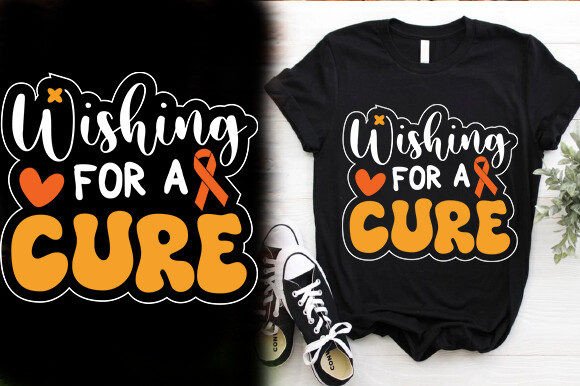
As a designer who spends half my life staring at stitch charts and the other half trying to sell what I make, I don’t just look at an embroidery file; I look at its potential. When WISHING for a CURE TSHIRT DESIGN landed on my desk, I didn’t just see text. I saw a conversation starter. I saw a piece of apparel decoration that carries weight. For those of us in the craft business, selling items with meaningful messages is often more profitable than selling generic patterns, but it requires a design that balances emotional resonance with technical feasibility.
The First Impression: Mood and Layout
The immediate feeling this machine embroidery design gives off is one of hopeful solidarity. It isn’t loud or aggressive; it’s quiet and confident. The layout feels balanced, which is crucial when you are placing a design on a chest pocket or centered on the back of a sweatshirt. From a visual personality standpoint, it feels modern yet timeless enough to not look dated next season. This is important for any Etsy seller or small shop owner looking to build a brand that feels consistent and professional.
The typography appears clean, which suggests that the underlying vector shapes are well-constructed. As someone who reviews these assets daily, I know that bad kerning can ruin even the most beautiful concept. Here, the spacing seems intentional, allowing the message to breathe. This makes it highly suitable for personalized gifts where clarity is key. Whether it ends up on a tote bag design or a delicate baby embroidery project, the legibility remains intact.
Real-World Application: Where Does It Fit?
Let’s talk about how this embroidery file performs in actual production scenarios. I recently imagined using this for a batch of custom aprons for a local bakery participating in a charity event. The contrast between the fabric texture and the satin stitch lettering would likely pop beautifully, provided the right thread colors are chosen. It’s versatile enough to work as an embroidered patch if you add a border, making it perfect for caps or hats where space is limited.
For the digital product seller, this Graphics asset offers high utility. Because it is built with resizable vector shapes, it translates seamlessly into printable mockups. You can showcase this design on hoodies, tea towels, and nursery decor without needing to physically stitch every single variation. This efficiency is gold for creative entrepreneurs who need to test market demand before committing to inventory. Imagine listing this as a holiday embroidery option during the fall season—emotional designs like this tend to drive higher engagement and conversion rates compared to seasonal cartoons or random quotes.
It also fits naturally into the realm of commercial embroidery for boutique branding. A small clothing line could use this motif as a subtle chest logo, adding value to their custom apparel offerings. Customers today want to buy into stories, not just products. This design provides that narrative hook instantly.
Technical Considerations for Stitching
However, practical judgment must temper enthusiasm. Before running this through your machine, you need to consider the stitch density. Designs with heavy text areas can sometimes become stiff or bulky, especially if the fill stitch is too dense. If you plan to embroider this on thin fabric or stretchy materials like jersey knits, you will need a robust stabilizer to prevent puckering. Testing on scrap fabric first is non-negotiable.
Furthermore, inspect the smaller details. If there are decorative accents or tiny curves, ensure they hold up in your specific hoop size. What looks good on a screen might disappear when stitched in a 4x4 hoop. I always advise checking your thread colors against the final fabric background. On dark fabrics, light threads can get lost, while on white cotton, dark threads might show every imperfection in the stitching path. Running a black-and-white mockup of the design helps visualize this contrast early in the process.
Where to Use It Carefully
While this design is robust, it is not a universal fit. Avoid using it on curved surfaces like baseball caps unless you have significant experience with cap frames and stabilization techniques. The tension requirements for curved stitching are different, and misalignment can ruin the message. Similarly, be cautious with textured fabrics like bouclé or heavy wool. The needle penetration might be inconsistent, leading to skipped stitches in the running stitch elements.
If you are targeting the apron or kitchen towel market, this is a sweet spot. These items undergo frequent washing, so the durability of the embroidery matters. Ensure the design doesn’t have overly long floating stitches that could snag during laundering. Also, consider the end-user. If this is for baby clothes, you must ensure the design is soft against the skin. Avoid placing dense stitch areas directly over seams or sensitive zones.
Value and Professionalism
From a business perspective, using a fully editable vector file like this gives you an edge. The fact that it is Fully Editable Vector EPS 10 and SVG means you aren’t locked into a single colorway. You can adapt the thread colors to match a client’s brand palette or create limited-edition runs for different causes. This flexibility increases the perceived value of your finished product. Buyers trust sellers who offer customization options because it signals attention to detail.
Moreover, the visual appeal of this design enhances customer trust. A clean, well-executed embroidery job speaks volumes about the quality of your work. When a customer receives a handmade product with crisp lines and no loose threads, they are more likely to leave positive reviews and return for future purchases. This design supports that professionalism by providing a solid foundation for execution.
Final Designer Notes
Before you commit to selling or gifting, take these steps:
- Test on Scrap: Always stitch a sample on the exact fabric you intend to use. Check for puckering, thread breaks, and color accuracy.
- Check Licensing: Even though the file is editable, confirm the license terms. Can you sell the finished physical items? Can you sell digital previews? This is critical for commercial projects.
- Review Stability: Ensure the design works with your standard stabilizer choices. Some designs require cut-away, while others may tolerate tear-away depending on the fabric weight.
- Mockup Variations: Create printable mockups showing the design on different garments. This helps you market the versatility of the design assets to your audience.
In conclusion, WISHING for a CURE TSHIRT DESIGN is more than just a T-Shirt Design; it is a tool for connection. It works beautifully for small business merchandise, heartfelt personalized gifts, and meaningful embroidery projects. With careful planning regarding stitch density, hoop size, and fabric texture, this design can elevate your craft business and resonate deeply with your customers. Just remember: the best embroidery starts with a thoughtful review before the needle ever touches the cloth.