You Might Want to Tuck That Back In Png Embroidery Review
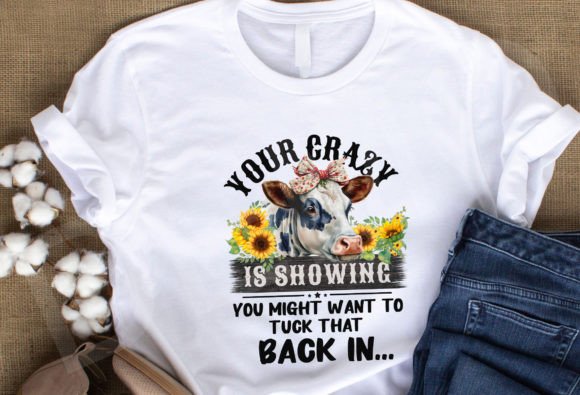
As a designer who spends more time than I care to admit staring at stitch charts and testing thread tension, I approach every new machine embroidery design with a healthy dose of skepticism. The digital world is flooded with graphics that look perfect on a screen but fall apart under the needle. Today, I am evaluating a specific file: You Might Want to Tuck That Back In Png. This graphic, often categorized under Farm png, Western png, and Country png themes, features a playful cow motif paired with cheeky text. While it is sold as a cut or print file, my goal here is to determine if it translates effectively into a physical embroidery project, particularly for those of us in the handmade product space.
First Impressions: Mood and Visual Personality
The immediate appeal of You Might Want to Tuck That Back In Png lies in its humor. It taps directly into the "country cool" aesthetic that remains incredibly popular in boutique branding and small shop merchandise. The visual personality is lighthearted, slightly irreverent, and undeniably cute. For an embroidery file to succeed, it needs to hold up visually when translated from pixels to thread. This design has a strong central focal point—the cow—which provides a solid anchor for stitching. The layout feels balanced, suggesting that it could work well as a chest logo on custom apparel or as a centered statement on a tote bag design.
However, the text component requires careful consideration. Phrases like "Your Crazy Is Showing" or similar variations often accompany this type of imagery. In embroidery, typography is just as critical as the illustration. If the font is too thin or relies heavily on intricate details, it may not survive the digitization process without becoming muddy or illegible. The mood is definitely one of fun, casual wear, making it ideal for holiday embroidery gifts or summer craft fair products where buyers are looking for something unique and conversation-starting.
Real-World Application: Where Does It Fit?
I recently imagined using this design for a client’s request: a set of personalized gifts for a rural wedding party. Specifically, I envisioned embroidered patches for denim jackets or perhaps a sweatshirt embroidery project for a bachelorette party theme. The rugged yet cute nature of the cow graphic pairs beautifully with denim textures and heavy cotton blends. It also lends itself well to apron embroidery for a farm-to-table kitchen theme, or even as a decorative accent on a tote bag design for a farmer’s market vendor.
For Etsy sellers and small business owners, this design offers versatility. It can be adapted into a nursery decor item by scaling it down for baby clothes, creating a whimsical touch for a gender-neutral gift. The "Western png" association means it fits seamlessly into seasonal collections, such as Fourth of July celebrations, county fair merchandise, or autumn harvest-themed items. When used correctly, this digital embroidery file adds perceived value to a finished product because it tells a story. Buyers don’t just buy a shirt; they buy into the lifestyle and humor represented by the image.
Technical Challenges and Fabric Considerations
Not every surface is created equal, and understanding where You Might Want to Tuck That Back In Png should be used carefully is crucial for maintaining professionalism. Textured fabrics, such as waffle knits or bouclé weaves, can obscure fine details. If the cow’s facial features or the lettering relies on delicate lines, they may disappear into the fabric texture. Similarly, stretchy fabrics require a robust stabilizer to prevent puckering. Without proper support, the hoop size constraints might cause the design to distort, ruining the clean lines that make the graphic appealing.
Dense stitch areas are another potential pitfall. If the original PNG includes heavy shading or complex background elements, converting this to an applique design or a dense fill stitch pattern might result in a stiff, uncomfortable garment. For commercial embroidery projects intended for frequent washing, excessive density can lead to pilling or thread breakage over time. I would advise against placing this design on curved surfaces like caps unless the digitizer has specifically adjusted the angles to follow the hat’s contour. On a flat cap front, however, it could look fantastic.
Color Contrast and Thread Selection
The success of any custom apparel design hinges on thread color contrast. Since this is a PNG source file, you will need to choose your own thread colors during the digitizing process. Dark fabric backgrounds demand bright, high-contrast threads to ensure the cow and text pop. Conversely, on light fabrics, you have more freedom to use pastel or muted tones that align with the soft, country aesthetic. Always test your chosen thread combination on scrap fabric first. A color that looks vibrant on a monitor might appear dull or muddy in person, especially if the thread sheen clashes with the fabric finish.
Practical Designer Notes for Execution
Before committing this design to a final product, there are several steps every maker should take. First, inspect the small details. Zoom in on the original graphic to see if there are tiny elements that would be lost in stitching. If the design includes satin stitch borders or running stitch accents, ensure these are clear enough to be replicated accurately. Second, review the stitch density. If you are digitizing this yourself, aim for a balance between coverage and flexibility. Too much density makes the product feel cheap and rigid; too little leaves gaps that look unfinished.
It is also wise to test the design in black and white mockups. This helps evaluate the composition and readability without being distracted by color. Does the silhouette of the cow read clearly? Is the text legible at the intended scale? Additionally, confirm whether the design works for both personal and commercial projects. Many graphics sold online come with restrictive licenses. As a craft business owner, you must verify that you are permitted to sell finished items made from this design. Failure to do so can lead to legal issues and damage your reputation as a trustworthy Etsy seller.
Final Verdict on Visual Appeal and Value
Ultimately, You Might Want to Tuck That Back In Png has strong potential for driving buyer engagement. Its humorous tone and recognizable theme make it highly shareable on social media, which is invaluable for design assets aimed at marketing handmade goods. When executed well, it enhances brand consistency by reinforcing a fun, approachable identity. Customers trust designs that look professional and intentional, and a well-stitched version of this graphic will convey exactly that.
However, it is not a one-size-fits-all solution. It performs best on stable, medium-weight fabrics where the details can shine. Avoid using it for delicate items that require frequent aggressive washing unless you are confident in the durability of the stitch placement. For personalized gifts, holiday embroidery batches, and boutique branding, this design offers a sweet spot between cute and clever. By paying attention to stabilizer choice, thread contrast, and licensing rights, designers can transform this simple PNG into a standout piece of handmade product art. Just remember: before you start stitching, always check your hoop size and run a test on scrap fabric. Your finished product—and your customers—will thank you for the extra diligence.