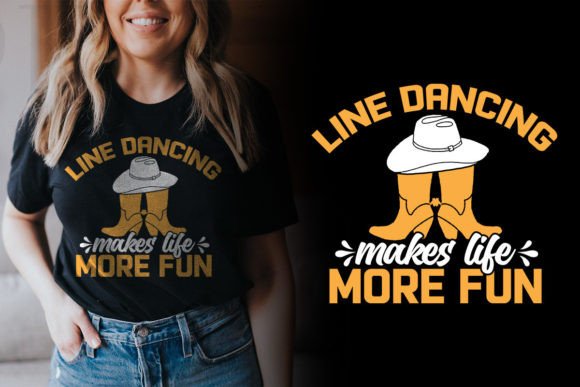
Line Dancing Makes Life More Fun Shirt Review
As a designer who spends half my life staring at stitch charts and the other half troubleshooting tension issues on a hooped garment, I don’t just look at a design file; I look at its potential in the real world. When I first pulled up Line Dancing Makes Life More Fun Shirt, I didn’t just see text and graphics. I saw a specific mood, a specific customer, and a very specific set of embroidery challenges that come with bringing it to life. This is not just another generic graphic; it is a vintage-inspired piece that demands respect for fabric texture and thread choice.
First Impressions: The Vintage Vibe and Layout
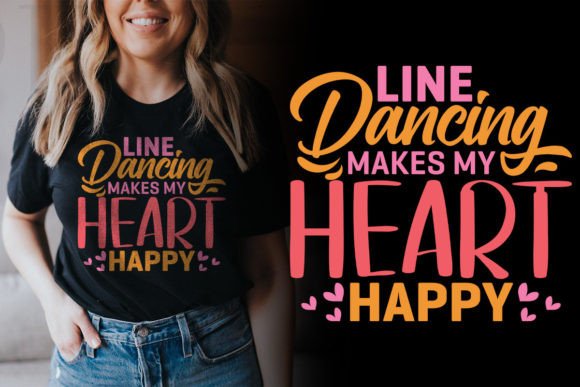
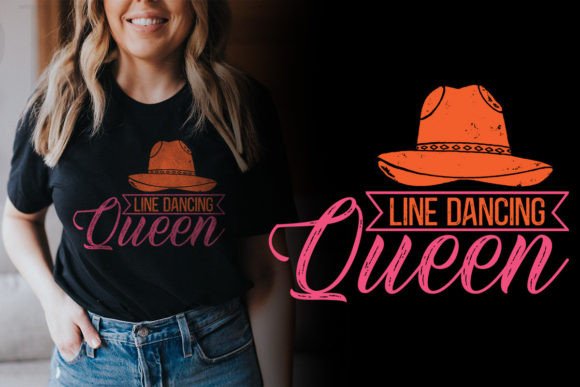
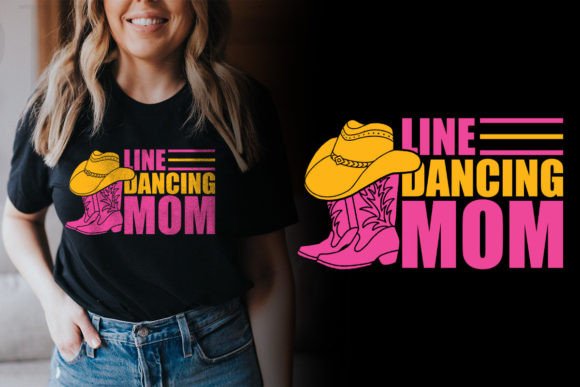
The immediate appeal of this design lies in its nostalgic energy. The phrase "Line Dancing Makes Life More Fun" is paired with a vintage aesthetic that feels authentic rather than forced. For an embroiderer, the layout is critical. It suggests a relaxed, slightly distressed look that works beautifully on soft cotton blends but requires careful handling on structured fabrics. The visual personality here is cheerful yet grounded, making it ideal for brands that want to project warmth and community.
From a pure design standpoint, the balance between the quote and the graphical elements is well-considered. It doesn’t feel cluttered, which is a common pitfall in many T-Shirt Designs found in digital marketplaces. The Graphics used are clean enough to translate well into stitches, avoiding the tiny, intricate details that often get lost or become muddy when converted into machine embroidery. This clarity is what separates a good digital asset from a great finished product.
Real-World Application: Where Does This Design Shine?
I recently had a client request a custom gift for a retiree who loved country music and social dancing. They wanted something they could wear to local gatherings but also something that felt personal. This is exactly where Line Dancing Makes Life More Fun Shirt excels. I envisioned this design not just on a standard tee, but elevated through embroidery.
Imagine this stitched onto a high-quality, heather grey sweatshirt for a cozy autumn evening. The vintage style complements the softness of the fabric perfectly. Or consider using it as a focal point on a canvas tote bag design for a craft fair booth. The durability of embroidered thread adds a tactile value that printed designs simply cannot match, increasing the perceived worth of the item.
It also translates surprisingly well to smaller items. A small placement of this design on the chest of a baby onesie creates an adorable baby embroidery piece for a family with a love of dance. Alternatively, stitching it onto a sturdy apron makes for a charming kitchen accessory, perfect for someone who hosts dinner parties with a soundtrack. The versatility here is high, provided you choose the right substrate.
Technical Considerations for Embroidery Designers
Before clicking "start" on your machine, there are several practical factors to evaluate. First, look closely at the lettering. While the font is stylish, ensure that any thin serifs or delicate curves are adequately spaced. If the design includes a dense fill stitch area, you must verify the stitch density. Too much thread in one spot can cause puckering, especially on lightweight jersey knits commonly used for t-shirts.
Thread color selection is paramount. Because this is a vintage design, it likely relies on muted tones—perhaps cream, rust, or faded navy. These colors can disappear if placed on a similarly colored fabric. Always test your thread colors against your actual fabric swatch under natural lighting. A dark brown thread might look rich on screen but vanish completely on a chocolate brown shirt. Conversely, a light gold thread might pop too aggressively on a pastel background.
Consider the hoop size constraints. If the design is large, ensure your hoop allows for proper stabilizer coverage without distorting the garment. For curved surfaces like embroidered patch applications or caps, the design may need digitizing adjustments to account for the curvature, otherwise, the text will appear warped.
Fabric and Stabilizer Choices
The success of this project hinges on your support system. For a custom apparel item like a t-shirt, a cut-away stabilizer is often necessary to maintain stability over time, especially if the garment will be washed frequently. If you are working with stretchy fabrics, a tear-away might suffice for short-term use, but it risks losing shape. For woven fabrics like those used in tote bags or pillow covers, a lighter stabilizer can prevent bulkiness.
Avoid using this design on highly textured fabrics like heavy boucle or thick chenille unless you are an advanced user. The needle penetration required for a full embroidery design can struggle with such materials, leading to skipped stitches or broken needles. Similarly, be cautious with thin, sheer fabrics; without proper backing, the design will look distorted and unprofessional.
Commercial Viability and Brand Consistency
For Etsy seller profiles and small shop owners, this design offers strong commercial potential. Personalized gifts are a huge market, and adding a name or date to this design can significantly increase its value. However, before listing these items for sale, you must confirm the licensing terms. Many digital files have restrictions on commercial use, and violating these can lead to serious legal issues.
When creating listings, use high-quality mockups that show the texture of the embroidery. A flat image of the digital file does not convey the quality of the work. Show the finished product on a model or in a lifestyle setting. This helps buyers visualize the item and builds trust in your craftsmanship. Consistency in your branding—using similar packaging, tags, and presentation styles—will help establish your reputation as a reliable creator of handmade goods.
Final Verdict: Is It Worth the Stitch Time?
In conclusion, Line Dancing Makes Life More Fun Shirt is a solid choice for designers looking to add a touch of nostalgia and fun to their collection. Its vintage charm and clear layout make it suitable for a wide range of projects, from casual wear to home decor. However, success depends on your attention to detail: correct stabilizer usage, appropriate thread choices, and thorough testing on scrap fabric.
Do not rush the process. Test the design in black and white to check contrast, inspect small details for clarity, and ensure the design fits your target audience’s aesthetic. By taking these practical steps, you can transform a simple digital graphic into a cherished handmade product that customers will love. Whether you are creating a unique holiday gift or expanding your boutique inventory, this design has the potential to be a standout piece in your repertoire.
Remember, the best embroidery projects are those that combine technical precision with creative vision. Let this design inspire you to experiment with different fabrics and styles, always keeping the end-user experience in mind. Happy stitching!