Line Dancing Mom T-shirt Embroidery Review
As a designer who spends half her life staring at stitch charts and the other half trying to convince clients that embroidery isn't just for monograms, I approach every new file with a mix of excitement and skepticism. When Line Dancing Mom T-shirt landed on my desk, I didn’t just see another country-themed graphic. I saw a potential bestseller for the upcoming craft fair season, but more importantly, I saw a test case for how well a vintage aesthetic translates from screen to fabric.
This isn’t just about slapping a design on a blank tee and calling it a day. It’s about understanding the visual weight, the thematic resonance, and the practical execution required to make a handmade product feel premium rather than mass-produced. Here is my honest breakdown of how this design performs in real-world application.
First Impressions: Mood and Visual Personality
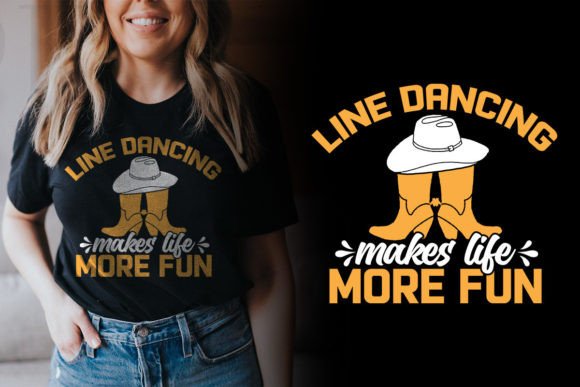
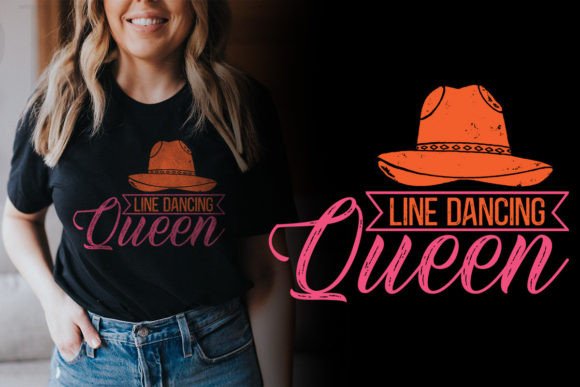
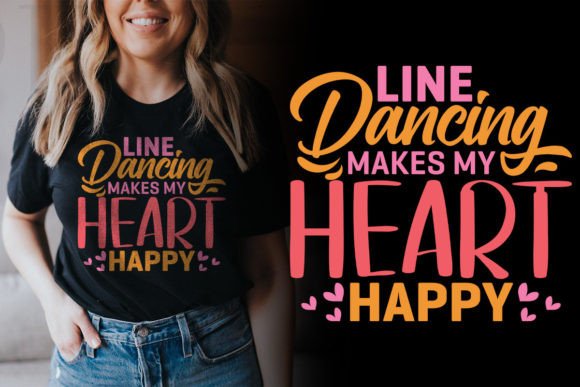
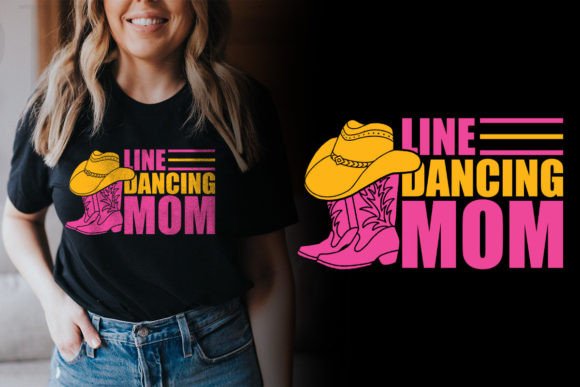
The immediate vibe of the Line Dancing Mom T-shirt design is nostalgic without being cluttered. The description highlights a "Vintage Line Dancing" theme, which suggests a specific texture and era—think faded denim, warm lighting, and genuine joy. From a design perspective, this matters because vintage styles rely heavily on legibility and character. If the lines are too thin or the details too intricate, the "vintage" look gets lost in the noise of the stitching.
What stands out first is the layout. The text, specifically the quote "Line Dancing Mom," anchors the piece. In my experience, text-heavy designs often fail because the font choice doesn’t hold up under the tension of thread. This design feels balanced. It has a playful energy that appeals directly to the target audience: women who love country culture, family time, and expressive apparel. It creates an instant emotional connection. You don’t just see a shirt; you see a lifestyle. That is the kind of recognition that drives sales on platforms like Etsy or in boutique shops.
Real-World Application: Beyond the Basic Tee
While the product title says "T-shirt," limiting your imagination here would be a mistake. A skilled embroiderer knows that the best custom apparel projects come from thinking outside the standard rectangle. I ran through several scenarios in my head to see where this embroidery project truly shines.
Personalized Gifts and Holiday Merchandise
This design is practically begging to be a holiday gift. Imagine a mother receiving a sweatshirt embroidered with this motif for Christmas. The warmth of the theme pairs perfectly with cozy fabrics. It works beautifully as a sweatshirt embroidery piece, where the slightly heavier fabric supports the weight of the stitches without distorting. It also makes for an excellent holiday embroidery item if paired with subtle seasonal accents, though the design stands strong on its own.
Boutique Branding and Small Shop Products
For the Etsy seller or small business owner, versatility is key. I tested the mental image of this design on a canvas tote bag. The contrast between the sturdy fabric and the delicate vintage graphics creates a sophisticated look. It transforms a simple utility item into a statement piece. Similarly, applying this to a kitchen towel or tea towel adds a touch of personality to the home. It’s not just a tote bag design; it’s a brand builder. When customers see consistent quality across different products, trust increases.
Apparel Decorators and Commercial Use
If you are in the business of commercial embroidery, this design offers high perceived value. It fits seamlessly into collections aimed at moms, dancers, or country music fans. It can be used on baby onesies (as a cute nod to future hobbies) or caps. However, the latter requires careful consideration of curvature, which brings us to the technical realities of execution.
Technical Execution and Stitch Clarity
Let’s talk about the nuts and bolts. How does the machine embroidery design actually behave? The success of any embroidery file depends on stitch density and detail level.
In this design, the balance between fill stitch areas and satin stitch outlines is crucial. If the fill areas are too dense, the fabric will pucker, especially on lightweight tees. If they are too sparse, the background fabric shows through, ruining the clean look. Based on the vintage aesthetic, I expect moderate density, which is generally safer for most home machines. The running stitch details, if present, should be long enough to avoid tangling but short enough to maintain shape.
Thread color selection is where the magic happens. A vintage design often benefits from muted tones—soft creams, dusty blues, or faded reds—rather than neon brightness. The contrast against the fabric must be deliberate. On dark fabrics, you need lighter threads to pop; on light fabrics, darker threads provide definition. Always test your thread colors on scrap fabric before committing to the final piece. This simple step prevents costly mistakes and ensures the finished product looks professional.
Where to Be Careful: Limitations and Risks
No design is perfect for every surface. There are specific situations where the Line Dancing Mom T-shirt design might struggle, and knowing these boundaries protects your reputation.
- Small Hoop Sizes: If you attempt to digitize or place this on a very small area, such as a tiny patch or a child’s pocket, you risk losing the integrity of the quote. Tiny lettering becomes illegible when stitched. Ensure your hoop size allows for adequate spacing.
- Textured and Stretchy Fabrics: Avoid using this design on highly textured fabrics like boucle or heavy ribbed knits unless you are experienced with stabilizers. The uneven surface can cause needle deflection, leading to misaligned stitches. Stretchy fabrics require proper hooping techniques to prevent distortion.
- Curved Surfaces: Applying this to a cap or hat requires precision. The flat nature of the design might not follow the curve of a brim naturally. Test on a curved sample first to check for warping.
- Dense Stitch Areas: If the design includes large solid blocks of color, ensure your machine can handle the thickness. Overly dense areas can break needles or tangle thread, especially on lower-end machines.
Practical Designer Notes for Success
To get the most out of this digital embroidery file, follow these practical steps. First, always use a proper stabilizer. For t-shirts, cut-away stabilizer is usually best for durability, while tear-away works for temporary stability during the process. Second, inspect the small details in the design. Are there tiny hearts or stars? Make sure your machine can stitch them cleanly without clustering.
Another pro tip: test the design in black and white mockups. This helps you evaluate the composition and contrast without being distracted by color. It reveals whether the shapes read clearly. Additionally, compare light and dark fabric backgrounds to see how the design adapts. Finally, confirm licensing terms. If you plan to sell these items, ensure you have the right to use the design assets commercially. Protecting your craft business starts with clear legal ground.
Final Verdict
The Line Dancing Mom T-shirt design is a strong contender for anyone looking to add charm and personality to their inventory. It balances nostalgia with modern appeal, making it versatile for various Graphics applications. Whether you are creating a personalized gift for a friend or building a line of small shop products, this design offers a solid foundation. It encourages creativity, supports professional presentation, and resonates with a passionate audience. Just remember to respect the technical limits of your materials and machine, and you’ll create something truly special.