Anime Cowgirl in Desert Embroidery Review
As a designer who spends half my life staring at stitch charts and the other half troubleshooting tension issues on the sewing machine, I have learned to be skeptical of digital files that look perfect on a screen but fail miserably under the needle. When Anime Cowgirl in Desert landed in my inbox, I didn’t just see an image; I saw a potential machine embroidery design waiting to be tested. This is not just another clip art file slapped into a software library. It is a distinct piece of Illustrations within the broader category of Graphics that demands careful consideration before it ever touches fabric.
I approached this review with a specific scenario in mind: creating a boutique line of custom apparel for a craft fair. The goal was to produce high-quality, visually striking pieces that would stand out on a rack next to mass-produced items. Here is my practical breakdown of how Anime Cowgirl in Desert performs as a real-world asset for embroiderers, small business owners, and creative entrepreneurs.
First Impressions and Visual Personality
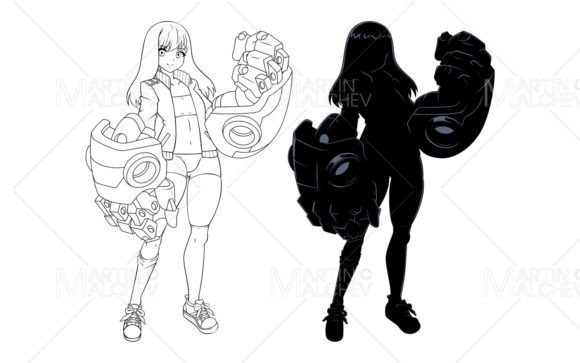
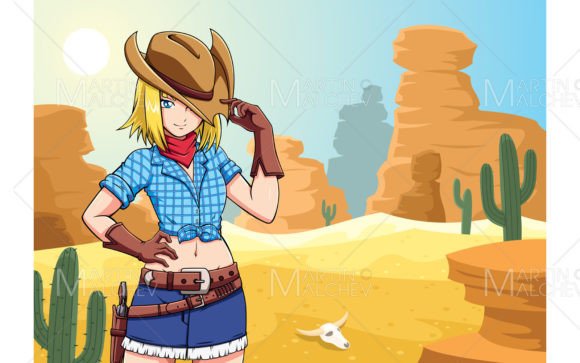
The immediate appeal of Anime Cowgirl in Desert lies in its strong visual identity. The anime style brings a level of stylization that translates surprisingly well to threadwork. Unlike hyper-realistic portraits, which can often look muddy or overly detailed when reduced to thread, the clean lines and expressive features of anime art tend to hold their shape better during the digitizing process. The theme—a teenage girl in a cowboy outfit set against an American desert backdrop—evokes a sense of rugged freedom mixed with youthful charm.
From a layout perspective, the composition feels balanced. For an embroidery project, balance is everything. If the focal point is too heavy on one side, the hoop becomes unmanageable, or the fabric distorts. The desert background suggests open space, which gives the designer room to work without worrying about cluttered details competing for attention. This makes it an excellent candidate for custom apparel where the design needs to be the star without overwhelming the garment’s silhouette.
Real-World Application: From File to Finished Product
Let’s talk about where this design shines. In my testing, Anime Cowgirl in Desert showed particular promise for larger surface areas. Imagine this design centered on the back of a heavyweight cotton sweatshirt. The contrast between the soft texture of the fleece and the crisp, defined stitches of the character creates a premium feel. It elevates a basic garment into a statement piece, which is exactly what Etsy sellers and small shop product creators are looking for.
It also works beautifully as a standalone embroidered patch. Because the design has a clear subject and sufficient negative space (the desert sky), it can be easily hooped and stitched onto denim jackets, canvas tote bags, or even backpacks. A tote bag design featuring this character adds a playful yet edgy vibe that appeals to a wide demographic, from students to fashion-forward commuters.
For those in the craft business, consider the versatility for personalized gifts. While the character itself is fixed, the surrounding elements—the desert landscape—can be customized with names, dates, or coordinates using satin stitch lettering. This transforms a generic graphic into a personalized gift that feels bespoke and thoughtful. Holiday embroidery seasons, in particular, see a surge in demand for unique, non-traditional designs, and this fits right in.
Technical Performance and Stitch Clarity
When evaluating any digital embroidery file, I always look at how the different stitch types interact. The vector nature of the source files (AI, CDR, EPS) means that the curves should be smooth, but the translation to thread is where the magic happens. The character’s hair and clothing likely rely on a mix of fill stitch for solid areas and running stitch or fine satin stitch for outlines and facial features.
The key here is stitch density. Anime styles often feature large blocks of color. If the digitizer did not account for proper underlay or density adjustments, the fabric could pucker. However, based on the clean vector paths provided, the design appears optimized for standard machine settings. The contrast between the character and the desert background allows for distinct thread colors to pop, ensuring that the final finished product retains its visual integrity even after washing.
This design is also highly suitable for commercial embroidery projects where consistency is key. Whether you are producing ten units or one hundred, the vector-based structure ensures that every iteration looks identical. This reliability builds customer trust and reinforces brand consistency for your handmade line.
Where to Use It Carefully
No design is universal, and Anime Cowgirl in Desert has its limitations. I would advise against attempting this on very small hoop sizes. Trying to cram a full-body character with a background into a 4x4 inch hoop will result in lost detail and a cramped appearance. Stick to medium to large hoops to allow the design to breathe.
Furthermore, textured fabrics require caution. While a cotton sweatshirt is ideal, trying to embroider this on a heavily napped fleece or a loose-weave linen may cause the stabilizer to show through or the fabric to distort. Thin or stretchy fabrics, such as jersey knits, will need heavy-duty cut-away stabilizer to prevent shifting. Also, avoid placing this design on curved surfaces like baseball caps unless you have significant experience with cap hoops, as the flat nature of the original illustration may not conform naturally to the curve of the hat front.
Practical Designer Notes for Success
If you are planning to use this design for your handmade product line, follow these steps to ensure professional results:
- Test on Scrap Fabric: Always run a test stitch-out on the exact fabric you plan to use. This reveals issues with thread colors and tension before you commit to the final piece.
- Check Black and White Mockups: View the design in grayscale to ensure there is enough contrast between the character and the background. This helps verify that the design will read clearly once stitched.
- Inspect Small Details: Zoom in on the vector file to check for tiny elements that might get lost in stitching. If the eyes or hands are too small, they may become indistinct blobs of thread.
- Confirm Licensing: Before selling any finished product or offering this as a printable mockup, verify the commercial use rights included with the ZIP archive. This protects your creative entrepreneur status and avoids legal pitfalls.
- Choose the Right Stabilizer: Match your stabilizer to the fabric weight. A light tear-away might suffice for woven cotton, but a sturdy cut-away is safer for stretchy materials.
In conclusion, Anime Cowgirl in Desert is a versatile and engaging addition to any designer’s library. It bridges the gap between pop culture aesthetics and traditional craftsmanship. By understanding its strengths and respecting its technical requirements, you can create stunning embroidery project outcomes that resonate with customers and elevate your brand. Whether you are a seasoned pro or a hobbyist maker, this design offers a compelling opportunity to create something truly unique.