Little Cowgirl and Her Horse Watercolor Review
As a designer who spends half my life staring at stitch density charts and the other half worrying about whether a client’s chosen fabric will pucker under high-density fills, I approach every new asset with a mix of excitement and skepticism. Recently, I came across Little Cowgirl and Her Horse Watercolor, an illustration that immediately caught my eye for its soft aesthetic and western charm. But does it translate well from screen to needle? Can it survive the rigors of commercial production while maintaining that delicate watercolor feel? After running some mental simulations and reviewing how this type of graphic behaves in real-world embroidery scenarios, here is my practical take on using this design for your next project.
The First Impression: Mood and Visual Personality
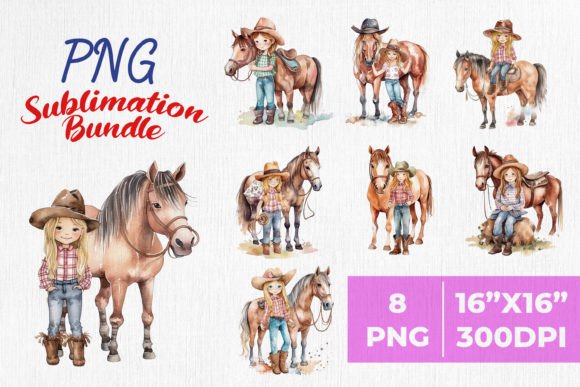
The moment you see Little Cowgirl and Her Horse Watercolor, the mood is instantly established. It isn’t bold, aggressive, or overly graphic; instead, it exudes a gentle, nostalgic warmth. The watercolor style suggests softness, which aligns perfectly with products aimed at children, nurseries, or boutique lifestyle brands. For an embroidery project, this visual personality is a double-edged sword. It promises high emotional engagement but requires careful technical execution to avoid looking muddy or undefined once stitched.
From a layout perspective, the composition feels balanced. The interaction between the cowgirl and her horse creates a natural focal point that draws the eye inward. This is crucial for small hoop sizes where space is limited. The design doesn’t scream for attention; it invites the viewer in. This makes it an excellent candidate for personalized gift items, where subtlety often speaks louder than loud graphics. Whether you are creating a keepsake for a newborn or a trendy item for an Etsy seller, the aesthetic hits the right note of cute without being childish in a cheap way.
Real-World Application: Where This Design Shines
I recently imagined placing Little Cowgirl and Her Horse Watercolor on a custom embroidered tote bag made of heavy canvas. In my mind’s eye, the contrast between the rough texture of the canvas and the smooth, painted look of the design would create a sophisticated handmade product. This specific tote bag design works beautifully because the watercolor tones don’t get lost against the neutral background. It feels like something you’d find in a curated boutique, not a mass-produced warehouse.
Similarly, consider the potential for sweatshirt embroidery. A cream or oatmeal-colored crewneck sweatshirt featuring this design could become a standout piece for fall fashion. The western theme adds a touch of ruggedness that balances the softness of the watercolor art. It appeals to the modern mom or the young girl who loves animals but also appreciates a bit of style. For craft business owners, this versatility is gold. You can market it as a cozy autumn essential or a birthday gift for little ones.
Baby items are another strong contender. A onesie or a burp cloth with this design taps into the lucrative nursery decor market. The baby embroidery niche values safety and softness, both visually and tactilely. While we aren’t discussing the physical thread yet, the visual promise of this design is one of gentleness. Parents want their babies to wear things that look tender, and this illustration delivers exactly that. It also translates well to holiday embroidery, particularly for Christmas gifts, where rustic and western themes remain popular year-round.
Technical Considerations and Stitching Challenges
Here is where we need to be realistic. Translating a watercolor image into an embroidery file is never straightforward. Watercolors rely on gradients, bleeding edges, and subtle color shifts. Embroidery relies on distinct stitches, solid colors, and defined shapes. If this design is digitized poorly, those soft edges can turn into jagged artifacts or disappear entirely.
When evaluating this for use, you must pay close attention to stitch density. Areas that are too dense will cause puckering, especially on lightweight fabrics like cotton tees or linen aprons. Conversely, if the density is too low, the base fabric might show through, ruining the clean look of the watercolor effect. You should always test the design on scrap fabric first. Check the thread colors carefully. Do they mimic the original palette closely enough? Are there enough variations to prevent large blocks of single-color stitching that can look flat?
Analyze the detail level. Does the design include fine lines for reins or facial features? These areas often require satin stitch work, which can break down if the hoop size is too small or if the fabric stretches during stitching. If the design includes fill stitch areas, ensure they are optimized to minimize trimmings and reduce thread consumption. For complex corners, a running stitch outline might help define the shape without adding bulk.
Where to Use Caution
While this design has broad appeal, there are specific contexts where it might struggle. Avoid using it on highly textured fabrics like bouclé or thick fleece unless you have extensive experience with stabilizers. The lack of definition in the source art means it needs a smooth surface to shine. Similarly, be cautious with dark fabrics. Unless you are using a heavy underlay or white backing, the light pastel tones of the watercolor may not pop sufficiently.
Curved surfaces like caps or hats present another challenge. The curvature can distort the proportions of the cowgirl and horse if the design isn’t adjusted for the curve. Small hoop sizes (under 4x4 inches) might cut off important details, so ensure the final hoop size accommodates the entire composition comfortably. Also, remember that frequent washing can fade threads. If this is for a commercial embroidery product meant to last, advise your customers on proper care to maintain the integrity of the finished product.
Impact on Brand and Customer Trust
Using Little Cowgirl and Her Horse Watercolor in your portfolio signals a certain level of taste. It shows that you understand current trends—western motifs mixed with soft, artistic styles are very much in vogue. For small shop product creators, this kind of cohesive aesthetic builds brand consistency. When customers see a recognizable style across your design assets, they are more likely to return.
Furthermore, the "handmade" appeal of this design enhances perceived value. People are willing to pay more for items that look unique and thoughtfully designed. A printable mockup featuring this design on a high-quality garment can significantly boost buyer engagement on platforms like Etsy. It helps the customer visualize the end result, reducing hesitation and increasing conversion rates. It transforms a simple graphic into a tangible memory or a cherished accessory.
Final Designer Notes
Before committing to a full production run, I strongly recommend creating a black-and-white mockup of the design. This helps you assess the contrast and readability without the distraction of color. It forces you to focus on the shape language, which is critical for embroidery. Additionally, verify the licensing terms. Ensure you have the right to sell finished goods made from this digital embroidery file. Many illustrators retain copyright even when selling usage rights, so check the fine print to protect your craft business.
Ultimately, Little Cowgirl and Her Horse Watercolor is a charming addition to any designer’s toolkit. It offers a blend of whimsy and rustic charm that resonates with a wide audience. By paying attention to technical details like stabilizer choice, thread selection, and stitch optimization, you can bring this watercolor vision to life in a way that feels professional, durable, and deeply appealing. Whether you are making a custom apparel piece for a friend or stocking shelves for your online store, this design has the potential to be a standout hit.