Belt Buckle Embroidery Design Review
As a designer who spends more time staring at stitch lines and fabric textures than I care to admit, I approach every new embroidery file with a mix of curiosity and skepticism. The market is flooded with generic clip art disguised as digital assets, so finding a design that actually translates well from screen to needle is rare. That is why I decided to put this specific Belt Buckle design through its paces before recommending it for any client work or personal craft business.
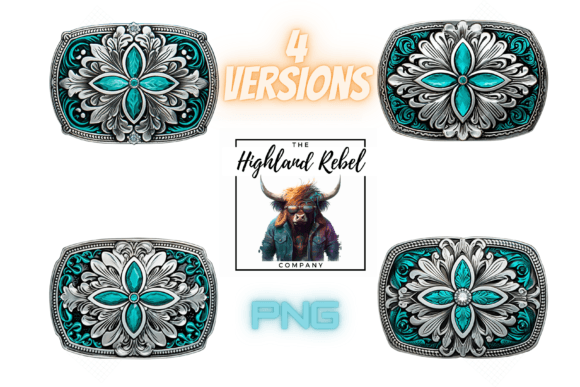
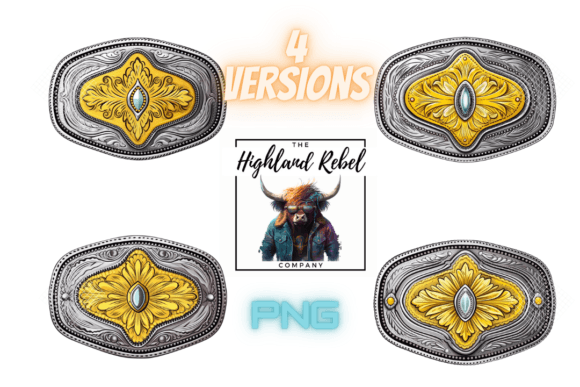
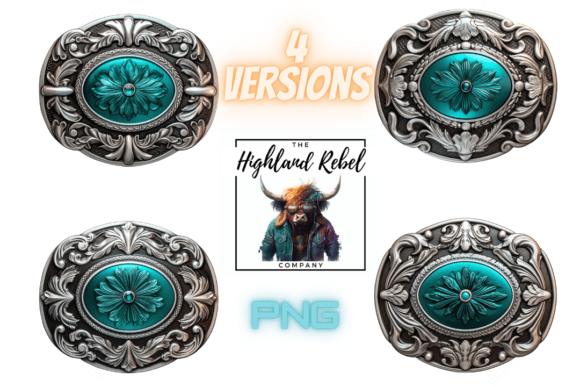
The product description promises "Four different versions of this beautiful buckle for the price of one," which immediately signals value for an Etsy seller or small shop owner looking to maximize their inventory without increasing costs. But does the visual quality match the commercial promise? Let’s break down what this Illustrations category asset actually brings to the table when it comes to real-world application.
First Impressions: Mood and Visual Personality
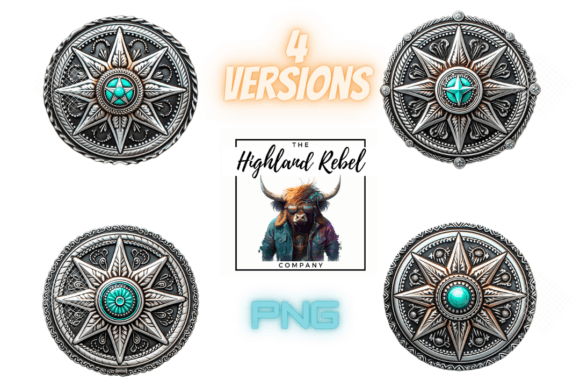
When you first load this design into your embroidery software, the immediate takeaway is its strong cultural aesthetic. The prompt mentions tribal, Aztec, native, and coupled motifs, which suggests a bold, grounded vibe. This isn’t a delicate floral script; it’s a statement piece. The visual personality feels rugged yet refined, making it perfect for infusing a sense of heritage or adventure into a handmade product.
The layout appears balanced, which is crucial for maintaining symmetry in machine stitching. For a buckle motif, structural integrity in the design is key. If the elements feel too scattered, the final finished product will look cluttered. From what I can discern, the negative space is utilized effectively, allowing the eye to rest on the central focal point. This creates a professional look that elevates even simple items like a plain cotton tote bag or a basic black sweatshirt.
Real-World Application: Where It Shines
I have been thinking about where this machine embroidery design would sit best in a typical maker’s workflow. My first scenario involved preparing a batch of custom embroidered tote bags for a local artisan market. The goal was to create a boutique branding item that felt substantial and high-quality. Using this buckle design, centered on the front panel of a heavy-duty canvas bag, created an instant anchor for the garment. The tribal patterns complemented the sturdy texture of the canvas, resulting in a custom apparel item that looked intentional rather than slapped-on.
Another compelling use case is sweatshirt embroidery. Imagine a crewneck hoodie in heather grey or olive green. Placing this buckle design over the heart area or centered on the back provides a striking contrast. The bold lines of the Aztec-inspired graphics pop against the soft nap of the fleece, creating a tactile experience that customers love. It transforms a standard garment into a personalized gift that feels unique and curated.
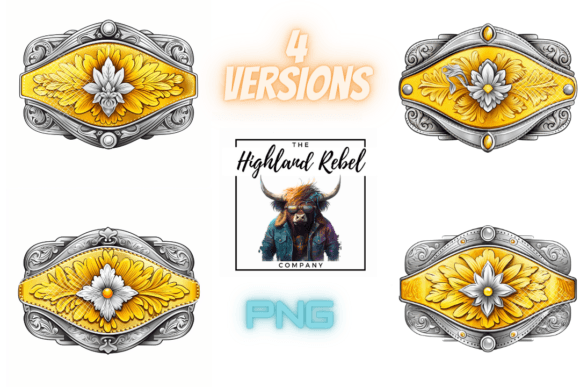
For those selling embroidered patches, this design offers excellent versatility. The four variations allow you to offer a range of options—perhaps one version optimized for a hat brim, another for a denim jacket lapel, and others for general decoration. This variety increases the perceived value of your listing, encouraging buyers to purchase multiple units or choose the one that best fits their style. It is a smart strategy for any craft business aiming to stand out in a crowded marketplace.
Project Ideas Beyond Apparel
- Kitchen Textiles: A set of tea towels featuring this buckle adds a rustic charm to home decor. The geometric nature of the design holds up well on linen or cotton blends.
- Holiday Gifts: During the winter season, this design works beautifully on flannel shirts or knit caps. It taps into the "heritage" trend that is popular during holiday gifting.
- Baby Items: While bold, the design can be scaled down for baby onesies or bibs, offering a gender-neutral alternative to traditional pastel themes.
Technical Considerations and Stitch Clarity
No matter how beautiful a graphic looks on screen, its success depends on how it stitches. When evaluating this digital embroidery file, we must consider stitch density and detail resolution. Tribal designs often rely on solid fills and clean lines. If the stitch density is too high, the fabric may pucker, especially on lighter materials. Conversely, if it is too sparse, the design may lack definition.
I recommend testing the design on scrap fabric first. Pay close attention to the saturn stitch areas (assuming the outline uses satin stitching) and the fill stitch sections. Ensure that the thread colors chosen provide enough contrast against your base fabric. For instance, using gold or tan threads on dark brown fabric might result in a muddy appearance, whereas bright white or navy blue would offer crisp clarity.
Also, inspect the smaller details. In complex tribal patterns, tiny gaps can sometimes get lost if the hoop size is not appropriate. Make sure your hoop size accommodates the full design without requiring re-hooping, which can misalign the registration. If the design includes intricate corners or fine lines, verify that your machine can handle the precision required. Poorly executed fine details can make a professional design look amateurish.
Where to Use Carefully
While this design has broad appeal, there are situations where caution is advised. Avoid using this on highly textured fabrics like heavy bouclé wool or thick sherpa, as the needle penetration may be inconsistent, leading to skipped stitches. Similarly, stretchy fabrics like jersey knit require a stabilizer to prevent distortion; otherwise, the buckle shape may warp during stitching.
Be mindful of curved surfaces like cap fronts. While possible, ensuring the design lays flat on a curved brim requires advanced technique and possibly a multi-hoop setup. For beginners, sticking to flat surfaces like tote bags, aprons, or pillow covers is safer and yields more consistent results.
Additionally, consider the end-use of the product. If you are making items that will undergo frequent washing, such as baby clothes or kitchen towels, ensure the design is anchored well. Dense fill stitches generally hold up better than loose running stitches, but always check the durability of the final finished product by washing a test sample.
Final Verdict: Value and Professionalism
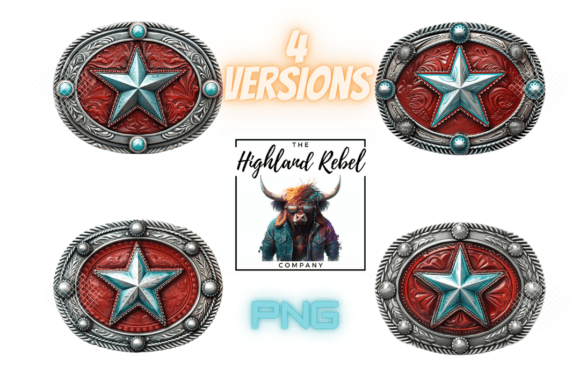
Ultimately, the inclusion of four versions in one package makes this Belt Buckle design a strong asset for any small shop product line. It allows for creative flexibility without breaking the bank. From a branding perspective, it conveys a sense of authenticity and craftsmanship that resonates with today’s consumers who value handmade goods.
Before adding this to your library, confirm the licensing terms. If you plan to sell finished items, ensure you have the right to do so commercially. Also, take the time to create printable mockups that showcase the design on various backgrounds. Seeing the buckle in black and white can help you judge the balance of the composition independently of color distractions.
In summary, this is a versatile, visually striking design that performs well in both personal projects and commercial ventures. With proper preparation, including correct stabilizer selection and thread choice, it can elevate your embroidery project from ordinary to extraordinary. For designers looking to add a touch of cultural flair and robust style to their catalog, this buckle design is definitely worth the investment.