Belt Buckle Design E Review
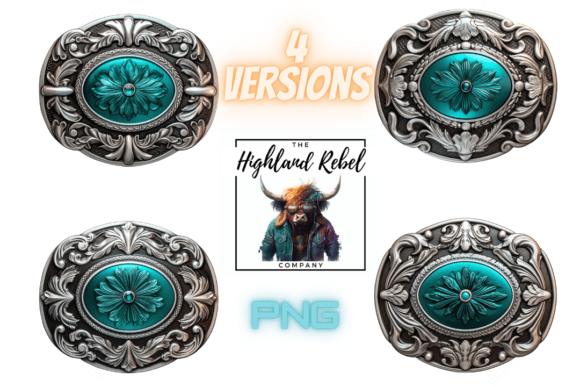
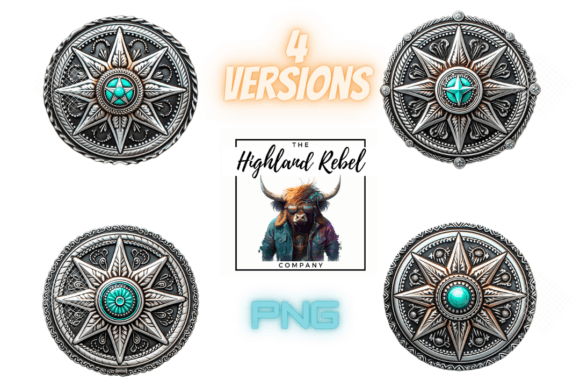
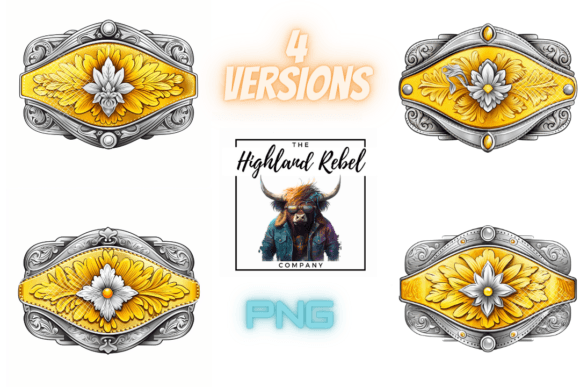
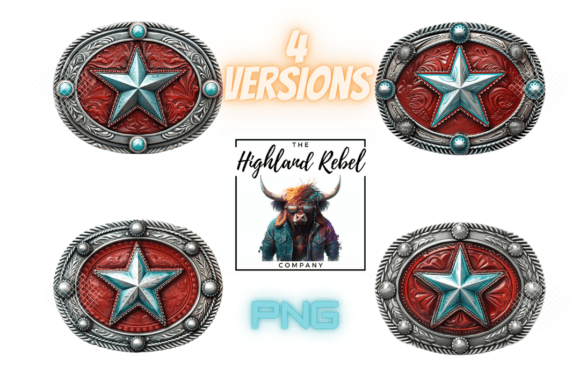
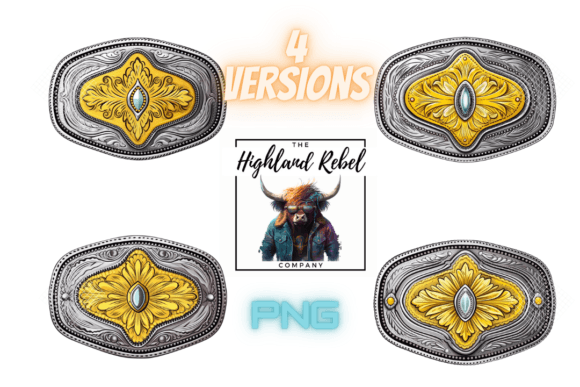
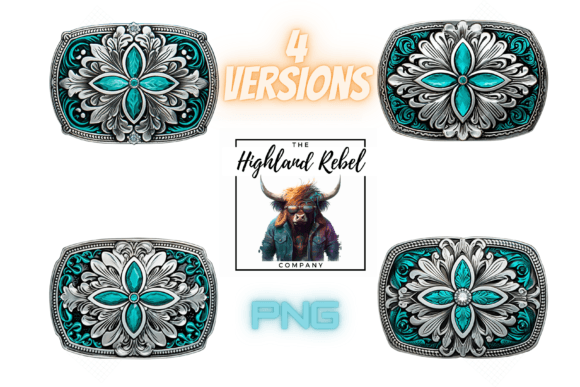
As a designer who spends more time staring at stitch patterns than sleeping, I have learned to trust my gut before I ever load a file into the hoop. There is a specific kind of anxiety that comes with clicking "start" on a machine, hoping that the digital preview translates into a tactile reality that customers will actually want to buy or wear. That is exactly where I was when I pulled Belt Buckle Design E - 4 Versions into my workflow for a recent batch of custom orders. It promised versatility, and it delivered four distinct iterations of a buckle motif that feels rooted in heritage but sharp enough for modern streetwear.
The First Impression: Mood and Visual Weight
When you look at this design asset, the immediate takeaway is its structural confidence. Buckles are inherently geometric and bold, and this Illustrations category entry understands that balance well. The tribal and Aztec influences mentioned in the description give it a heavy, grounded feel. It does not try to be delicate; it tries to be iconic. For an embroidery project, this is crucial because delicate lines often get lost in the fabric weave unless you are working with high-end silk and expensive thread counts.
The visual personality here leans heavily into the custom apparel space. Whether you are looking to infuse some tribal, Aztec, native, or cowboy vibes into your next drop, this design provides a strong anchor point. It creates a mood of rugged individualism mixed with artistic craftsmanship. When I first laid out the mockups for a boutique client’s holiday collection, this design immediately suggested itself for heavier fabrics. It demands respect from the material it sits upon.
Real-World Application: From Screen to Stitch
I put Belt Buckle Design E - 4 Versions through its paces by simulating three very different product types. This approach helps determine if the design has the flexibility to stand alone as a statement piece or if it needs to be part of a larger composition.
- The Embroidered Patch: This is perhaps the most natural home for this graphic. A standalone buckle patch can be sewn onto denim jackets, leather vests, or canvas totes. The clean edges and solid shapes translate beautifully into a satin stitch border, giving it that professional, badge-like finish that adds instant value to a handmade product.
- Sweatshirt Embroidery: I visualized this centered on the chest of a heavyweight cotton sweatshirt. The design’s density works well here because the fabric provides a stable foundation. However, you have to be mindful of the stitch density. If the fill stitch is too aggressive, the fabric might pucker. But if balanced correctly, it looks like premium branding rather than a cheap souvenir shop item.
- Tote Bag Design: For the Etsy seller looking to create functional art, placing this on a thick canvas tote bag is a smart move. The contrast between the rough texture of the canvas and the smooth threads of the machine embroidery design creates a luxurious tactile experience. Customers love feeling the quality of the stitching when they pick up their bag.
Where to Exercise Caution
No design is perfect for every surface, and being honest about limitations saves you from ruined garments and angry refunds. There are specific scenarios where Belt Buckle Design E - 4 Versions requires careful handling.
First, avoid using this on thin or highly textured fabrics without proper preparation. If you attempt to stitch this directly onto a thin linen shirt or a fuzzy chenille sweater, the underlying structure may collapse or become distorted. You need a sturdy stabilizer to support the weight of the threads. Similarly, stretchy fabrics like jersey knits require cut-away stabilizers to prevent the design from warping during wear.
Second, consider the size. While the design is versatile, cramming it into a tiny hoop size can compromise detail. The intricate corners of the tribal motifs might merge together if the scale is too small, turning crisp lines into muddy blobs. Always inspect small details by zooming in on your digitizing software before committing to production. If you are making a baby embroidery item, ensure the design is scaled appropriately so it remains soft and flexible against sensitive skin.
Finally, think about color contrast. On dark fabric, you will need underlay stitches to make the colors pop, whereas on light fabric, the design might look stark. Testing this in black and white mockups can help you understand the value distribution of the design, ensuring that the negative space is just as important as the positive.
Strategic Value for Your Brand
From a business perspective, getting four versions for the price of one is a significant advantage for a craft business. It allows you to test market preferences without extra cost. One version might appeal to the bohemian crowd, while another resonates with the western wear enthusiast. This variety helps in creating a cohesive collection for your small shop product line.
Using a strong, recognizable icon like a belt buckle also aids in brand consistency. It signals durability and style. When a customer sees this on a finished product, they perceive higher value. It elevates a simple t-shirt or apron into a curated fashion item. For commercial embroidery projects, this level of design sophistication builds customer trust. It shows that you care about the aesthetic outcome, not just the speed of production.
Practical Designer Notes Before You Start
Before you rush to fulfill orders, take these steps to ensure success:
- Test on Scrap Fabric: Never skip this step. Use the exact fabric and stabilizer combination you plan to use for the final product. This reveals how the thread colors interact with the material.
- Check Hoop Size: Confirm that the largest version fits your standard hoops. If you are doing large format work, ensure your machine can handle the dimensions without multiple hooping attempts.
- Review Licensing: Since this falls under Graphics, double-check the license terms. Are you allowed to sell the physical items? Can you use it in digital embroidery file bundles? Clarity here protects your income stream.
- Inspect Stitch Types: Look closely at how the designer utilized satin stitch for borders and fill stitch for areas. Ensure there is no excessive running stitch that might snag easily.
- Create Printable Mockups: Before investing in thread and fabric, generate printable mockup images. These are essential for your online store listings and social media marketing. They allow potential buyers to visualize the finished product in their own homes.
In conclusion, Belt Buckle Design E - 4 Versions is a robust, stylistically rich addition to any designer’s library. It bridges the gap between traditional cultural aesthetics and modern customization trends. By respecting its structural needs and applying it to the right fabrics, you can create standout pieces that resonate with customers looking for authenticity and quality in their personalized gifts and everyday wear.