Belt Buckle Design M: 4 Versions Reviewed
When I am evaluating a new embroidery file for my own studio or for client work, I look past the preview image. I think about stitch density, how it will hold up on different fabrics, and whether it adds genuine value to a handmade product. Recently, I put Belt Buckle Design M, 4 Versions through its paces. This set of Illustrations offers four distinct variations of a buckle motif, marketed as a versatile asset for custom apparel and accessories. After testing this design across various materials and project types, here is my honest take on where it shines and where it might need extra care.
First Impressions: Mood and Visual Personality
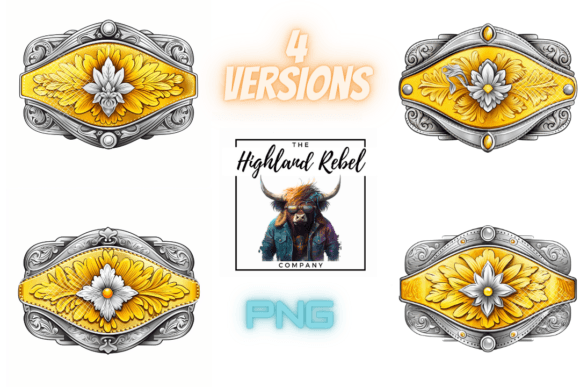
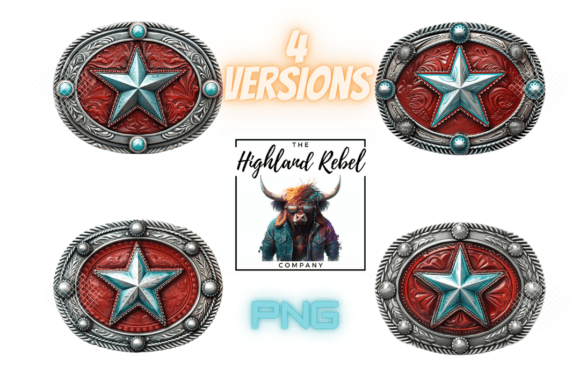
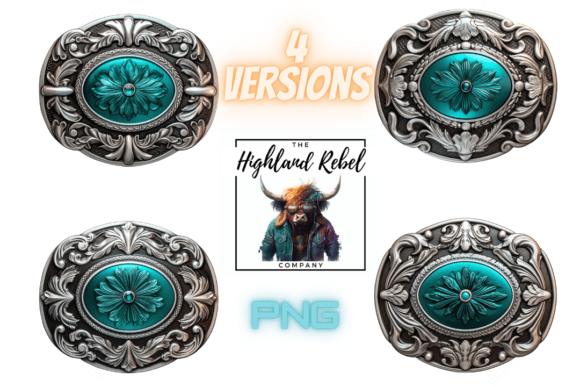
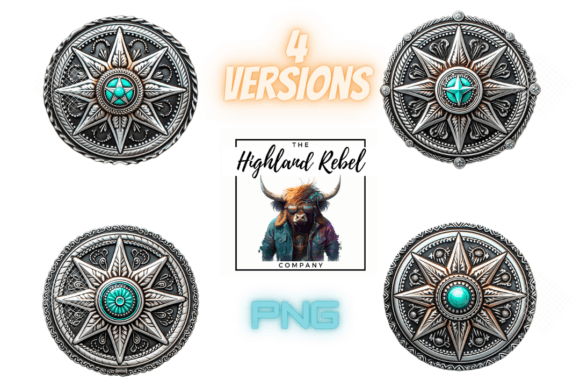
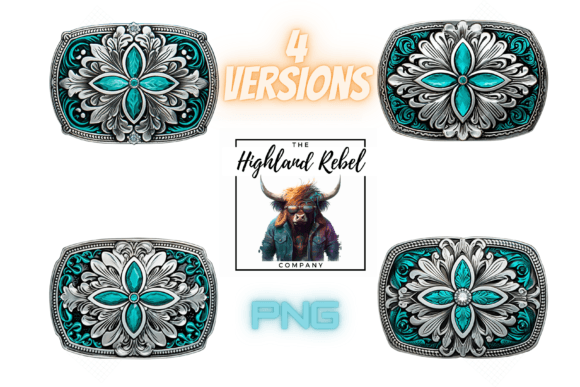
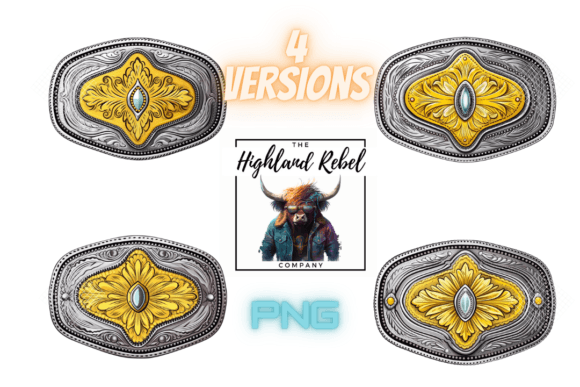
The immediate appeal of Belt Buckle Design M, 4 Versions lies in its thematic versatility. The "M" designation suggests a medium complexity level, which usually strikes a good balance between detail and stitch-ability. The designs evoke a strong sense of rugged elegance, drawing heavily from tribal, Aztec, and native-inspired aesthetics. This isn't just a generic geometric shape; it has a specific visual personality that feels grounded and authentic.
For a designer, this mood is crucial. It immediately signals to the end-user that the item is special, perhaps tied to heritage, travel, or a love for artisanal craftsmanship. Having four versions allows for creative flexibility. You aren't locked into a single interpretation. Whether you want a more intricate pattern or a cleaner, bolder look, this set provides options that can match different brand identities, from rustic boutique branding to modern streetwear aesthetics.
Real-World Application: Where Does It Fit?
I decided to test these designs not just on standard cotton twill, but in scenarios that mimic real customer demands. Here is how Belt Buckle Design M, 4 Versions performed in practical embroidery projects.
Custom Apparel and Sweatshirts
One of the strongest use cases for this design is on heavyweight fabrics like sweatshirts or hoodies. The tribal motifs translate beautifully when stitched with fill stitch techniques, creating a rich texture that contrasts well against soft fleece or heavy cotton. I placed one version on the chest of a crewneck sweatshirt. The result was professional and sharp. It looked less like a cheap print and more like a high-end custom apparel piece. The design’s symmetry works well centered, giving a balanced, classic look that appeals to a broad audience.
Tote Bags and Canvas Accessories
I also tested the design on canvas tote bags, a staple for many Etsy sellers and craft fair vendors. The buckle theme pairs naturally with canvas, reinforcing an outdoor or utilitarian vibe. When stitched onto a natural-colored bag, the design pops if you choose contrasting thread colors. However, be mindful of the fabric weave. On loose-weave canvas, very fine details might get lost unless you use a cut-away stabilizer to prevent puckering.
Patches and Hats
The concept of a belt buckle lends itself perfectly to embroidered patches. I created a few mockups of this design as a detachable patch for denim jackets or backpacks. The defined edges of the buckle shape make it easy to apply satin stitching around the perimeter, giving it a polished, finished look. For hats, specifically structured caps, the design fits well on the front panel. Just ensure the curve of the hat doesn't distort the horizontal lines of the buckle pattern.
Design Considerations and Potential Pitfalls
No design is perfect for every situation. As an experienced reviewer, I must highlight areas where Belt Buckle Design M, 4 Versions requires careful execution.
- Small Hoop Sizes: If you attempt to digitize or embroider this on a very small hoop (under 3x3 inches), some of the finer tribal details may become muddy. The eye won't be able to distinguish the intricate patterns, resulting in a blobby appearance. Stick to larger hoops to preserve the design's integrity.
- Fabric Texture: While great on smooth cottons and sturdy canvases, this design might struggle on highly textured fabrics like bouclé or thick chenille. The needle penetration could be inconsistent, leading to skipped stitches. Always test on your specific fabric type first.
- Dark Fabrics: Embroidering light-colored threads on dark fabric can sometimes lack contrast if the stitch density isn't high enough. For dark backgrounds, consider using metallic threads or opting for one of the darker versions in the set to ensure visibility.
- Stretchy Materials: Avoid using this design on thin, stretchy knits without proper stabilization. The tension of the embroidery thread can cause the fabric to pucker significantly. A tear-away or water-soluble stabilizer is essential here.
Impact on Product Value and Branding
From a business perspective, using Belt Buckle Design M, 4 Versions can elevate your small shop product line. Customers often associate detailed, thematic embroidery with higher quality and attention to detail. By offering multiple versions, you provide variety, which can increase engagement on platforms like Etsy or Shopify.
Furthermore, the design’s aesthetic aligns well with current trends in personalized gifts. Think baby blankets with a subtle buckle motif, aprons for home cooks who enjoy rustic decor, or holiday gifts for those who appreciate artisanal goods. The versatility of the four versions means you can create a cohesive collection—for example, matching pillow covers and tea towels using different variations of the same buckle design. This consistency builds brand recognition and trust.
Practical Designer Notes for Success
Before committing to a full production run, I recommend following these steps to ensure the best outcome:
- Test on Scrap Fabric: Never skip this step. Use the exact fabric and stabilizer you plan to use for the final product. This helps you gauge thread tension and potential issues.
- Check Stitch Density: Review the digitization to ensure the stitch density is appropriate for your machine and fabric. Too dense, and the fabric will stiffen; too sparse, and the backing will show through.
- Mockup in Black and White: View your design in grayscale to check contrast levels. This ensures that the design remains legible regardless of the thread colors you choose.
- Confirm Licensing: If you are selling finished items, verify the commercial use rights of the digital embroidery file. Most reputable sources allow this, but it is always wise to double-check.
- Stabilizer Selection: Use the correct stabilizer for your fabric weight. Heavy-duty cut-away for stretchy or heavy fabrics, and tear-away for stable woven fabrics.
Final Verdict
Belt Buckle Design M, 4 Versions is a solid addition to any designer’s library. It offers thematic depth, visual interest, and practical versatility. Whether you are creating commercial embroidery pieces, personal gifts, or design assets for digital mockups, this set delivers. It performs best on sturdy fabrics and in moderate-to-large hoop sizes. With proper preparation and attention to detail, it can help you create stunning finished products that customers will love. If you are looking to infuse some tribal or native flair into your work, this is a reliable choice.