Review: Indian Camp Line Art Logo Teepee Culture
When I sit down to evaluate a new design asset for my embroidery workflow, I am rarely looking for just another pretty picture. As a designer who frequently bridges the gap between digital graphics and physical textile art, I need to know if a file will translate well from the screen to the hoop. Today, I am putting Indian Camp Line Art Logo Teepee Culture through its paces. This piece falls squarely into the Logos and Graphics categories, but its utility extends far beyond simple decoration. It is a vector-based line art piece that promises versatility, offering EPS 10, SVG, PDF, and JPG formats. My goal here is to determine whether this design has the structural integrity and aesthetic appeal required for real-world commercial use, from custom apparel to boutique branding.
First Impressions and Visual Personality
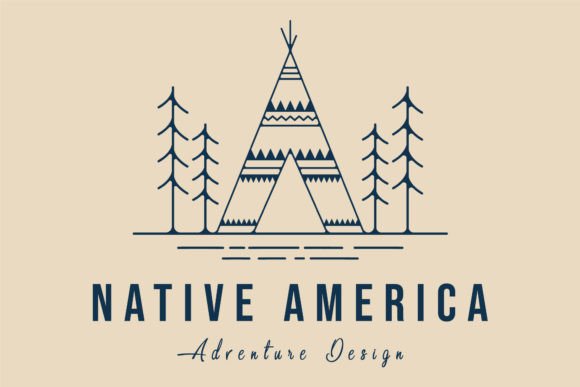
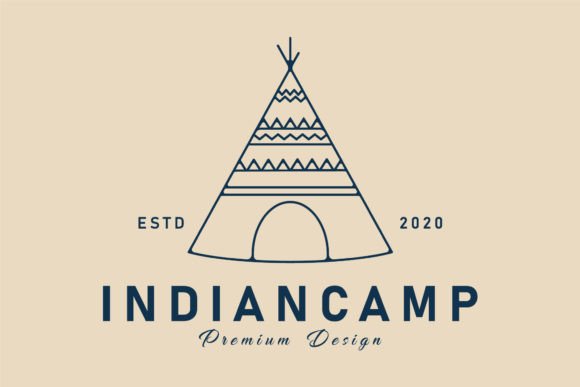
The moment you load the vector files, particularly in Adobe Illustrator as recommended, the clean geometry of the teepee structure becomes apparent. The line art style is minimalist yet evocative, capturing the essence of camp culture without getting bogged down in excessive detail. For an embroidery designer, this is crucial. Complex illustrations often lose their soul when translated into thread, but a strong line-art logo retains its identity. The visual personality of Indian Camp Line Art Logo Teepee Culture feels rustic, modern, and approachable. It creates a mood of outdoor adventure and cozy nostalgia, making it an excellent candidate for brands that want to project warmth and authenticity.
The layout is balanced, with negative space that allows the eye to rest. This is not a cluttered design; it is confident in its simplicity. When I look at this graphic, I immediately see potential for high-end handmade products. It does not scream "craft fair bargain"; instead, it whispers "curated boutique item." This distinction is vital for Etsy sellers and small shop owners who are trying to build a brand that feels professional and trustworthy. The non-editable text aspect mentioned in the description suggests that the focus is purely on the iconography, which actually works in our favor. We can place this logo anywhere on a garment or accessory without worrying about conflicting typography.
Real-World Application: From Screen to Stitch
To truly judge a machine embroidery design, we have to imagine it on fabric. Let’s take a scenario where I am preparing a batch of custom embroidered tote bags for a local artisan market. These bags are meant to be practical yet stylish, carrying the weight of groceries or craft supplies while showcasing a love for outdoor culture. Using Indian Camp Line Art Logo Teepee Culture on a canvas tote bag offers immediate visual impact. Because the design relies on clean lines, it translates beautifully into satin stitch outlines or even a delicate running stitch for a more subtle, hand-sewn look.
However, the versatility of this embroidery file does not stop at totes. I envision this design thriving on heavyweight cotton sweatshirts for fall camping trips. The contrast of white or earth-tone thread against dark charcoal or navy fabric would make the line art pop. It also fits perfectly on baby onesies or burp cloths, tapping into the growing market for personalized gift items. Parents love nature-themed designs that are gender-neutral and timeless. Furthermore, for those creating embroidered patches to sell as accessories for denim jackets or backpacks, the defined edges of this logo provide a clear boundary for the patch border, ensuring a crisp finish.
In the realm of commercial embroidery, such as decorating aprons for coffee shops or kitchen towels for housewarming gifts, this design adds a touch of whimsy without being childish. It bridges the gap between decor and function. When I think about holiday embroidery, specifically for winter or autumn themes, the teepee motif evokes feelings of gathering around a fire, making it a timely and emotionally resonant choice for seasonal merchandise.
Technical Considerations and Fabric Compatibility
While the visual appeal is strong, no designer can ignore the technical realities of stitching. Indian Camp Line Art Logo Teepee Culture is a line art piece, which generally means lower stitch density compared to heavy fill-stitch logos. This is a benefit for speed and thread usage, but it requires careful execution. On textured fabrics like bouclé or heavy waffle weave, fine lines can get lost. In these cases, I would advise using a thicker thread or opting for a applique design technique where a contrasting fabric background supports the stitched lines.
Stretchy fabrics, such as jersey knits used for t-shirts, present another challenge. Line art can distort if the stabilizer is not chosen correctly. A cut-away stabilizer is almost always necessary for stretchy materials to prevent the hoop marks from warping the delicate lines of the teepee. Additionally, when working with dark fabric, ensure your thread colors have sufficient contrast. Black line art on black fabric will vanish, so switching to white, cream, or metallic threads is essential for visibility.
I also need to address the small details inherent in line art. If you plan to digitize this vector yourself or scale it down significantly, you must inspect the corners and intersections of the lines. Tiny gaps can become problematic during stitching, potentially leading to thread breaks or misalignment. Always test the hoop size constraints early. While this design is likely scalable, there is a limit to how small you can go before the artistic intent is lost in the mechanics of the needle.
Practical Designer Notes for Success
- Test on Scrap Fabric: Never commit to a final product without running a test stitch on the actual fabric type you intend to use. This reveals issues with tension, puckering, or color blending.
- Check Thread Contrast: Use a black-and-white mockup to verify that the design remains legible against your chosen fabric color.
- Stabilizer Selection: Match your stabilizer to the fabric weight and stretch. Heavy fabrics need heavy stabilization; light fabrics need gentle support.
- Licensing Verification: Before selling finished items or digital previews, confirm the license terms. Even though the vector files allow editing, commercial rights for the final embroidered product may vary.
- Inspect Small Details: Zoom in on the vector file to ensure no critical details are too thin to be stitched accurately.
Final Verdict on Value and Appeal
Ultimately, Indian Camp Line Art Logo Teepee Culture is a smart addition to any digital product seller or creative entrepreneur’s library. Its strength lies in its adaptability. It is not a niche novelty; it is a versatile graphic that speaks to a broad audience interested in lifestyle, outdoors, and home decor. For craft business owners, it offers a professional-looking asset that elevates the perceived value of a handmade product.
The ability to edit the vector-based design means you can tweak colors or slight proportions to match specific brand guidelines, adding a layer of customization that clients appreciate. Whether you are creating a tote bag design for a festival, a sweatshirt embroidery for a family reunion, or a set of design assets for a digital download shop, this piece holds up under scrutiny. It balances aesthetic charm with technical feasibility, making it a reliable choice for both hobbyists and professionals. By paying attention to fabric choice and stitch quality, you can turn this simple line art into a standout finished product that customers will cherish.